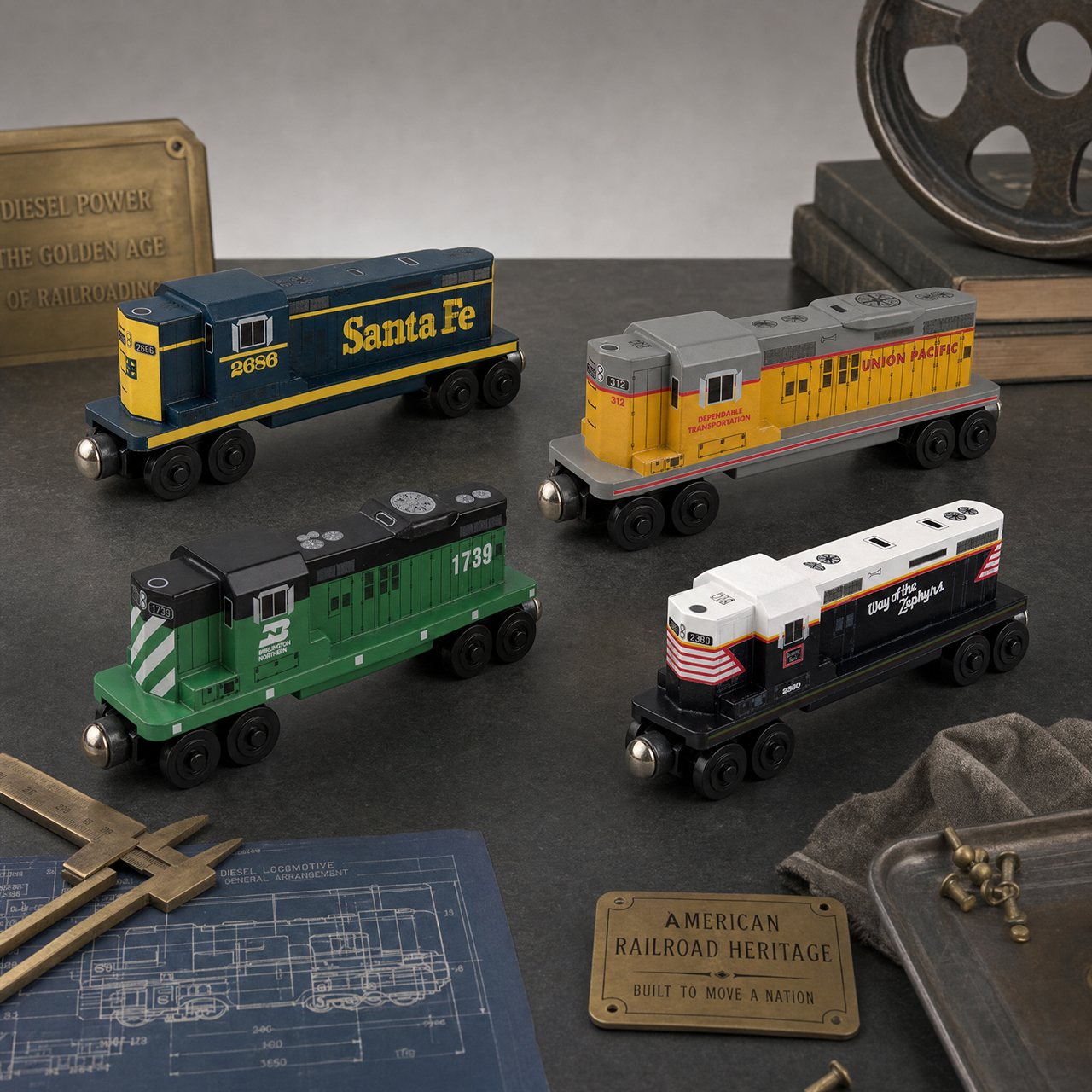
Four New Classic Diesel Engines Just Arrived

Known as “Geeps”, these GP locomotives helped change post-war American railroading.

New GP Engines Join The Lineup

Known as “Geeps”, these GP locomotives helped change post-war American railroading.

With better visibility and practical performance, GP diesels became a favorite for freight, switching, and general-purpose service across North America.

…and we paid close attention to the small details that make each model feel true to its history.

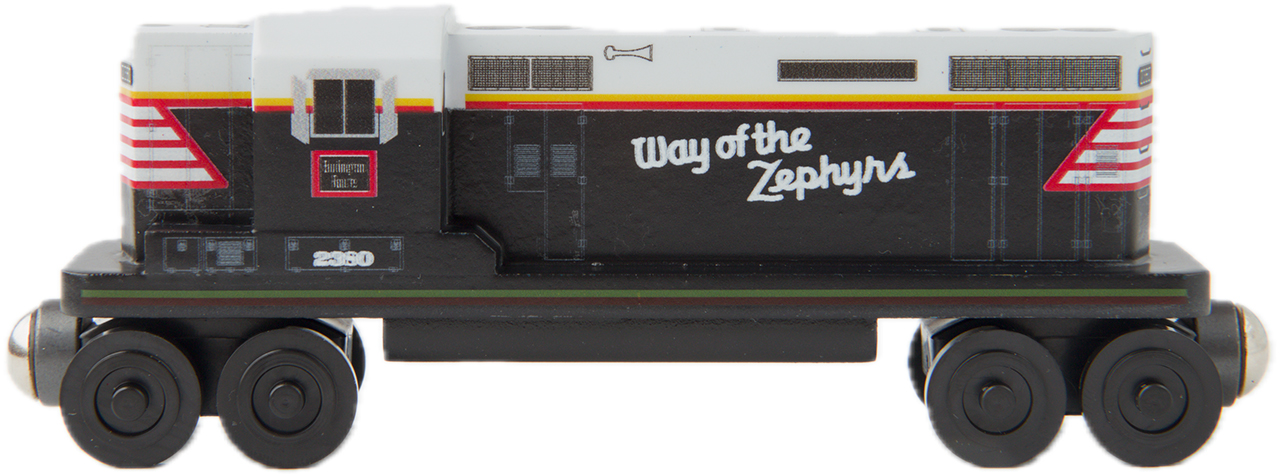
CB&Q Zephyr GP9 Diesel Engine

Bring the next step in EMD road-switcher evolution to your layout with this CB&Q Zephyr GP9 diesel engine. The GP9 succeeded the GP7 as the second model in EMD’s General Purpose series and offered an important performance upgrade while keeping the familiar hood-unit profile collectors know so well.

The GP9 increased power from the GP7’s 1,500 horsepower to 1,750 horsepower, making it a slightly stronger and more refined version of the original “Geep” formula. Externally, GP9s closely resembled GP7s, which makes them especially interesting for collectors who enjoy the subtle identification differences between early EMD diesel models.

Finished in CB&Q Zephyr styling, this model combines classic Burlington character with one of the most widely used diesel locomotive designs of the post-war era. It is an excellent addition for anyone building a historically rich mid-century diesel roster.

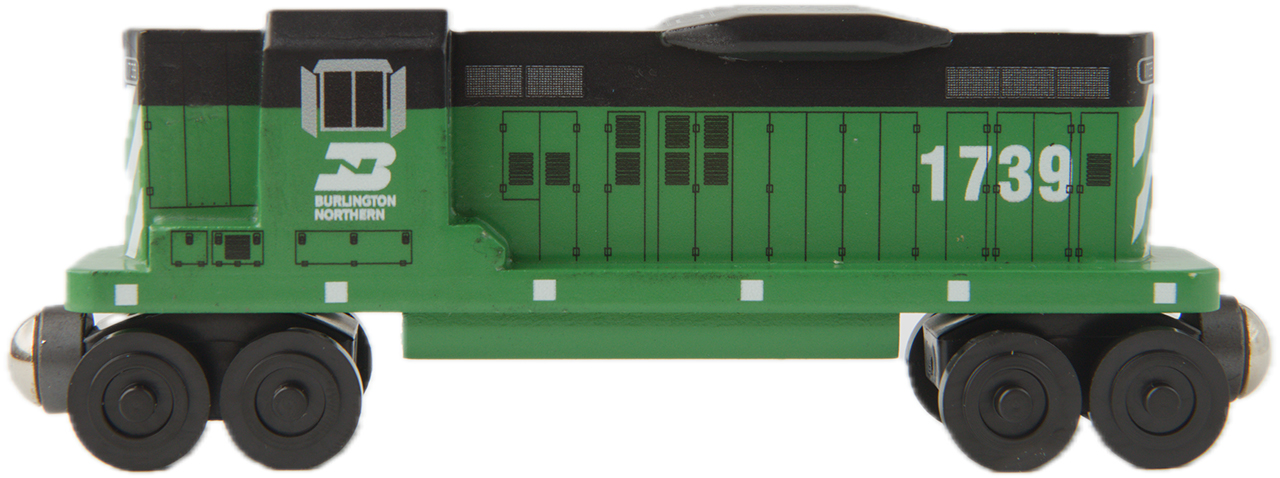
Burlington Northern GP7 Diesel Engine

This Burlington Northern GP7 diesel locomotive model represents one of the defining locomotive designs of the post-World War II diesel era. The GP7 was EMD’s first major hood-unit road locomotive and helped establish the practical road-switcher format that would become a standard across North American railroads.

Unlike earlier car-body locomotives, the GP7’s design gave engineers improved sightlines toward both ends of the locomotive, making it highly effective for freight, switching, and general-purpose service. Its success was so widespread that EMD’s GP locomotives became known by the nickname “Geeps,” and many continued serving short lines and industrial operators long after most Class I railroads had retired them.

With Burlington Northern markings, this model is ideal for collectors looking to represent the long service life and enduring appeal of the GP7, a locomotive whose simple, hardworking design helped change railroad operations for decades.

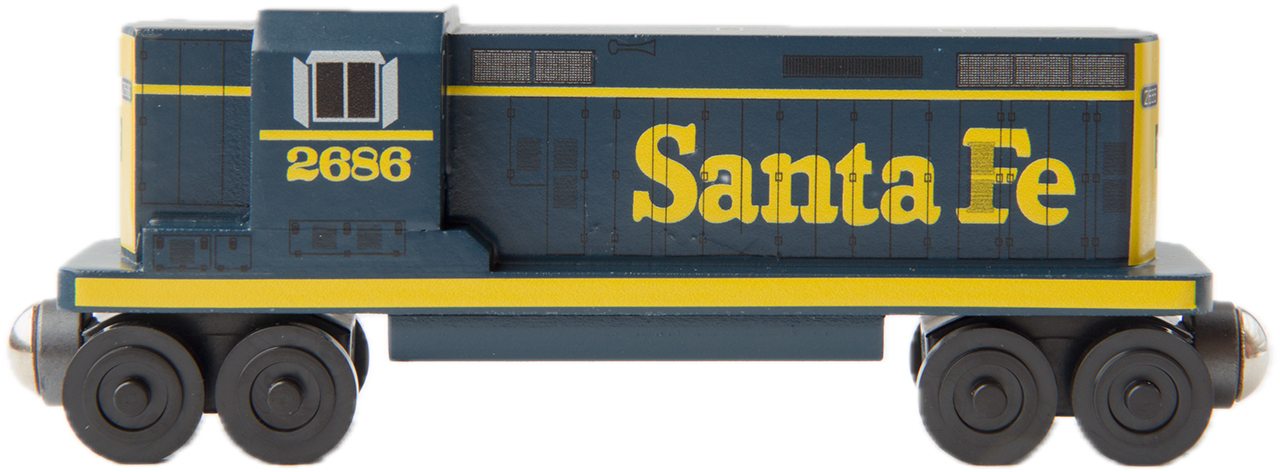
Santa Fe GP7 Diesel Engine

Celebrate one of the most important early diesel road-switchers with this Santa Fe GP7 diesel engine. The GP7 marked a major shift in locomotive design, replacing the enclosed car-body approach with a hood-unit layout that was easier to build, simpler to maintain, and more practical for everyday railroad service.

Powered by EMD’s 567B 16-cylinder engine and rated at 1,500 horsepower, the GP7 became a favorite for freight work thanks to its improved visibility and flexible “General Purpose” design. Santa Fe was closely tied to the GP7 story, with several GP7B cabless units built for the Atchison, Topeka and Santa Fe Railway.

For collectors, this model represents more than a paint scheme, it captures the moment when railroads moved into a new generation of diesel power, where reliability, visibility, and versatility mattered most.
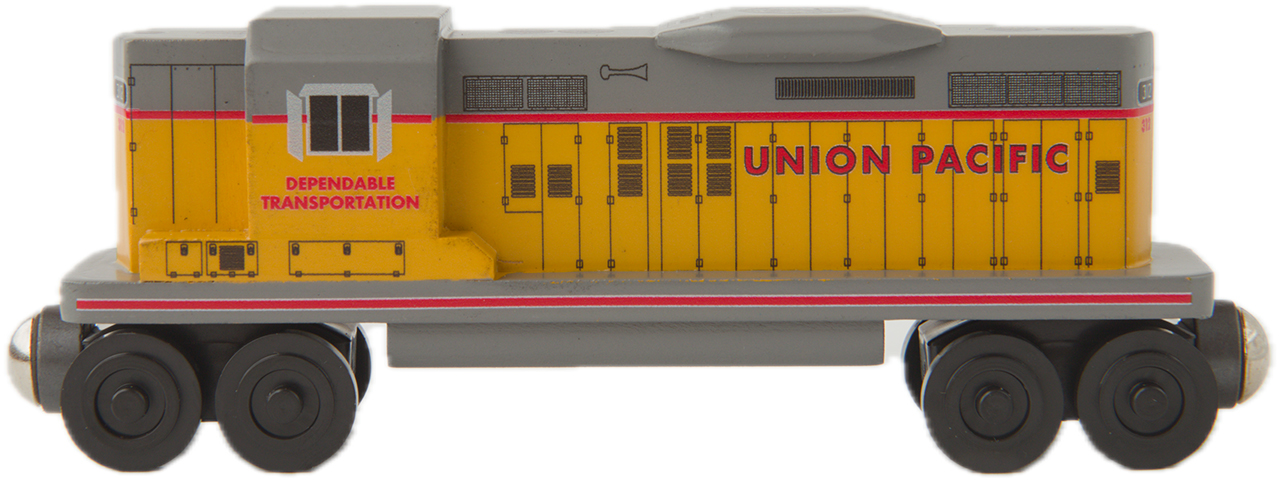
Union Pacific GP7 Diesel Engine

Add an important piece of post-war diesel history to your collection with this Union Pacific GP7 diesel engine model. The GP7 was a landmark design for EMD, recognized as the first EMD road locomotive to use a hood-unit layout instead of the earlier car-body style seen on locomotives like the F-units.

Built for practical railroad work, the GP7 gave crews better forward and rear visibility, making it especially valuable in freight and switching service. Its rugged, versatile design helped launch EMD’s famous GP, or “General Purpose,” series: a line so popular among railroads that these locomotives became widely known as “Geeps.”

With Union Pacific among the major railroads associated with this classic road-switcher era, this model is a strong choice for collectors who appreciate the transition from early diesel streamliners to the hardworking locomotives that reshaped American freight railroading.